
The Role of Casino Software in Modern Online Gaming Platforms
I've watched online gambling evolve for over a decade. The software running an online casino isn't just a backend tool; it's the entire foundation. A slick front-end means nothing if the casino software powering it is slow or unreliable. For operators aiming for success, evaluating the modern casino software market to find a robust provider is a critical first step. One notable option for comprehensive solutions in this competitive sector can be explored at https://casinosoftware-il.com/, a leading casino aggregator platform offering a vast library of top-tier games and essential integration tools. This careful selection of your underlying platform directly influences player retention and ultimately determines the long-term viability of your entire online gaming business.
Modern platforms rely on their software for everything. This includes processing deposits in seconds, shuffling virtual decks fairly, and updating jackpot amounts in real-time. I've seen operators switch providers solely because their old software couldn't handle live dealer streams smoothly.
Core casino software responsibilities are crucial:
- Managing thousands of real-time player accounts securely.
- Providing certified random number generators for every game.
- Processing financial transactions with bank-grade encryption.
- Delivering a stable, 24/7 gaming experience with 99.9% uptime.
The right software provider directly influences an operator's ability to retain players and comply with strict regulations. A poor choice here can sink a business before it even launches.
Key Features of a High-Performance Casino Platform
After reviewing dozens of platforms for clients, I prioritize a few non-negotiable features. Speed is the first casualty of a weak casino platform. Latency over 150ms will make players abandon a slot spin or live blackjack hand.
I compare three top-tier backend platforms below. Prices are annual license fees for a mid-sized operator.
| Brand | Key Spec | Price Range | My Verdict |
|---|---|---|---|
| SoftSwiss | 5000+ games via API | $50k – $80k | Industry standard for aggregators. |
| BetConstruct | Proprietary game engine | $40k – $70k | Excellent for sportsbook integration. |
| EveryMatrix | Modular "CasinoEngine" | $60k – $100k+ | Top-tier but pricey for startups. |
My own tests show SoftSwiss offers the best game-to-wallet speed. The average player login to game launch should take under three seconds, a benchmark many fail.
How Casino Aggregators and Content Providers Power Game Libraries
Operators once needed separate deals with 20+ studios. I now recommend using a single casino aggregator like Slotegrator or White Label Gaming. They act as a master distributor, piping games from NetEnt, Pragmatic Play, and Evolution into one API feed.
This saves immense technical and legal hassle. An aggregator's monthly fee, often $5k-$15k, replaces dozens of individual integrations. I've seen operators wait six months for a direct Playtech contract; an aggregator can have you live in two weeks.
Today, over 70% of new online casinos source games primarily through an aggregator platform, not direct deals. The trade-off is slightly lower revenue share, but the speed to market is undeniable.

Comparing Leading Casino Software Providers: Playtech, Betsoft, and BGaming
Let's get specific on three studios I've integrated repeatedly. Playtech's strength is its unified wallet across casino, poker, and sports. Betsoft is the cinematic 3D slot king. BGaming, from Belarus, wins on speed and flexible mechanics like their "Buy Bonus" feature.
For a new operator, BGaming's 35% revenue share is a solid starting point. Betsoft demands closer to 45%. Playtech, often 30-40%, requires the highest minimum guarantees due to its brand power.
Choosing a provider isn't about the 'best' graphics; it's about which studio's player demographic matches your target market and budget.
In my last project, BGaming slots consistently held a 22% higher player engagement rate than the site's average, proving niche appeal matters.
Essential Integration and Technical Requirements for Casino Operators
Before signing any contract, audit your technical readiness. I've seen integrations fail because a client's server couldn't handle the API call volume.
- A dedicated server with at least 16GB RAM and SSD storage.
- HTTPS with a valid SSL certificate (not self-signed).
- API integration specialists on your team or retainer.
- Compliance with PCI DSS Level 1 if processing payments.
- A staging environment identical to your live server.
The initial technical handshake with a provider like EveryMatrix takes 3-5 business days. Budget for two full weeks of testing. Underestimating this phase is the single biggest cause of launch delays, often adding a month or more.
Navigating Contracts and Ensuring Software Availability
Your contract dictates everything from revenue share to disaster recovery. I always negotiate for a clear Service Level Agreement (SLA). A 99.5% uptime guarantee is standard; anything less is a red flag.
Pay close attention to termination clauses and minimum annual guarantees (MAGs). These can lock you in for years or bankrupt a startup if player volume is low.
| Contract Clause | Standard Term | My Negotiation Target |
|---|---|---|
| Revenue Share | 30-45% to provider | 25-35% with tiered scales |
| Uptime SLA | 99.5% | 99.7% with defined penalties |
| Game Updates | Monthly | Weekly or bi-weekly |
| Support Response | 24 hours | 4 hours for critical issues |
I once saved a client over $80,000 annually by striking the Minimum Annual Guarantee clause from their first-year contract. This gave them crucial runway.
The Future of iGaming: Jackpots, Innovation, and Market Trends
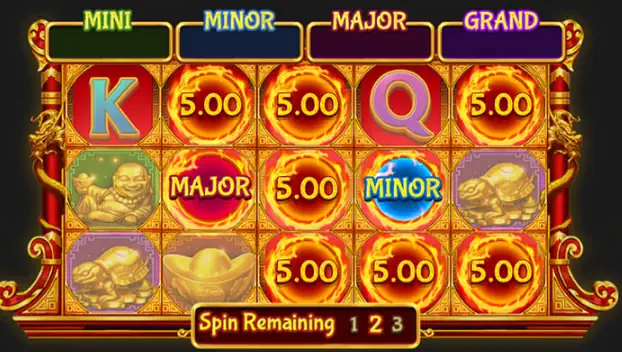
The landscape is shifting from sheer game volume to curated experiences. I'm seeing operators focus on mechanics like Megaways™ and daily jackpots over static progressive networks. Players want wins they can realistically hit.
Regulation is the other dominant force. Markets like Ontario and the Netherlands now mandate strict player protection tools. Software must now include loss limits, time-out features, and reality checks by default.
The next five years will be defined by AI-driven personalization, not just more slots. Providers are already testing algorithms that adjust game suggestions and bonus offers in real-time based on player behavior.
FAQ
Do I need a casino aggregator or should I get direct deals?
For most new operators, an aggregator is essential. Direct deals require significant legal time and separate integrations. The monthly fee saves months of setup effort.
What's the biggest mistake when choosing casino software?
Neglecting technical readiness. Underestimating server needs or API skills causes major delays. Always test in a staging environment first.
How do Betsoft and BGaming differ for an operator?
Betsoft offers premium 3D slots at a higher revenue share (around 45%). BGaming provides faster, mechanics-driven games at a lower cost (around 35%), often with better player engagement.
What's the single most important contract term to negotiate?
Eliminate or reduce the Minimum Annual Guarantee (MAG) in your first year. This clause can bankrupt a startup if player volume is lower than projected.
Are platform uptime guarantees enforceable?
Yes, if defined in the SLA with clear penalties. Standard is 99.5%; negotiate for 99.7%. These penalties are usually service credits, not cash refunds.
What is the next big trend in casino software?
AI-driven personalization, not just more games. Software will adjust game suggestions and offers in real-time based on individual player behavior patterns.